

English Horn

Welcome to a journey behind the curtain of orchestral woodwinds—those instruments whose voices float beneath the surface of every performance, vital yet often unnoticed. I’ve spent years exploring the unsung artistry of orchestral players, and today I invite you to join me as we shine a spotlight on the under-appreciated marvel: the English horn. It presents its own technical challenges, niche repertoire, and dedicated specialists. Through vivid anecdotes, personal encounters, and insider detail, we’ll uncover the stamina, skill, and passion that sustain careers built around this off-the-beaten-path instrument. My hope is that by the end of our exploration, you’ll gain fresh insight into expanding your own repertoire or simply appreciate the niche roles that animate the symphonic tapestry.
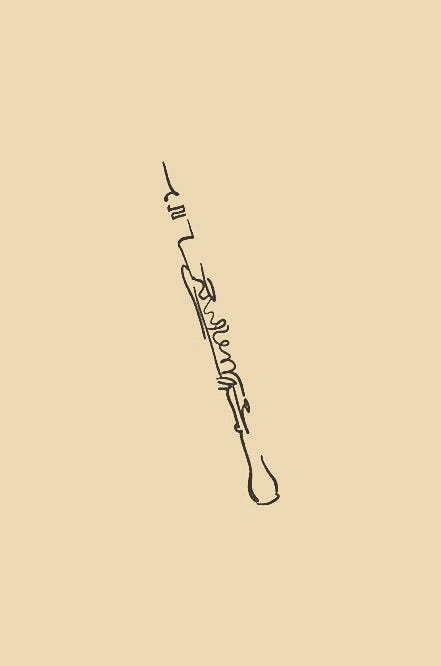
The English Horn: Plaintive Power Beneath the Surface
Few instruments evoke longing as immediately as the English horn, that curious double-reed contralto voice neither English nor a horn. I recall my first encounter with its curved bocal and bulbous bell—an otherworldly shape promising deeper, mournful color than the oboe. Players like Carolyn Hove and Kim Gilad have shared with me the physical stamina required to sustain long, high-pressure phrases. In marathon opera runs or film scoring sessions, an English-horn specialist must maintain unwavering breath control. Beyond endurance lies the obsession with crafting and moistening fragile double reeds. I’ve seen professionals arrive armed with thermoses of warm water, swabs to clear moisture, scarves to regulate temperature and ward off rot in the wooden body. Reeds shatter unexpectedly—or swell so unpredictably that an entire session can hinge on the perfect scrape. Instruments cost up to $10,000 and demand replacement sooner than you’d expect. Specialists choose between Paris- or New York–based makers, then juggle oboe doubling in orchestras that often lack dedicated English-horn chairs. Repertoire challenges only heighten the instrument’s unique status. Though Berlioz, Debussy, Ravel, and Wagner expanded its palette, solo concerti remain rare. Often, the English horn’s role veers between a single, plaintive “Ahhh” moment and inner voices woven alongside violas or French horns. Whether I’m writing about Ravel’s orchestral color or a film-score recording, I’m struck by how seamlessly these players infuse mystery and pathos into every measure—quiet dedication sustaining the music’s emotional core.